Shapes

Four familiar outlines give you different ways to fill the board and build colourful combinations. Each piece gives you a different clue about where it belongs. A long edge makes a straight piece easy to recognise. A square is compact, while a corner or step gives you a change of direction to match. Read the outline before you look at the space around it.

Meet the pieces

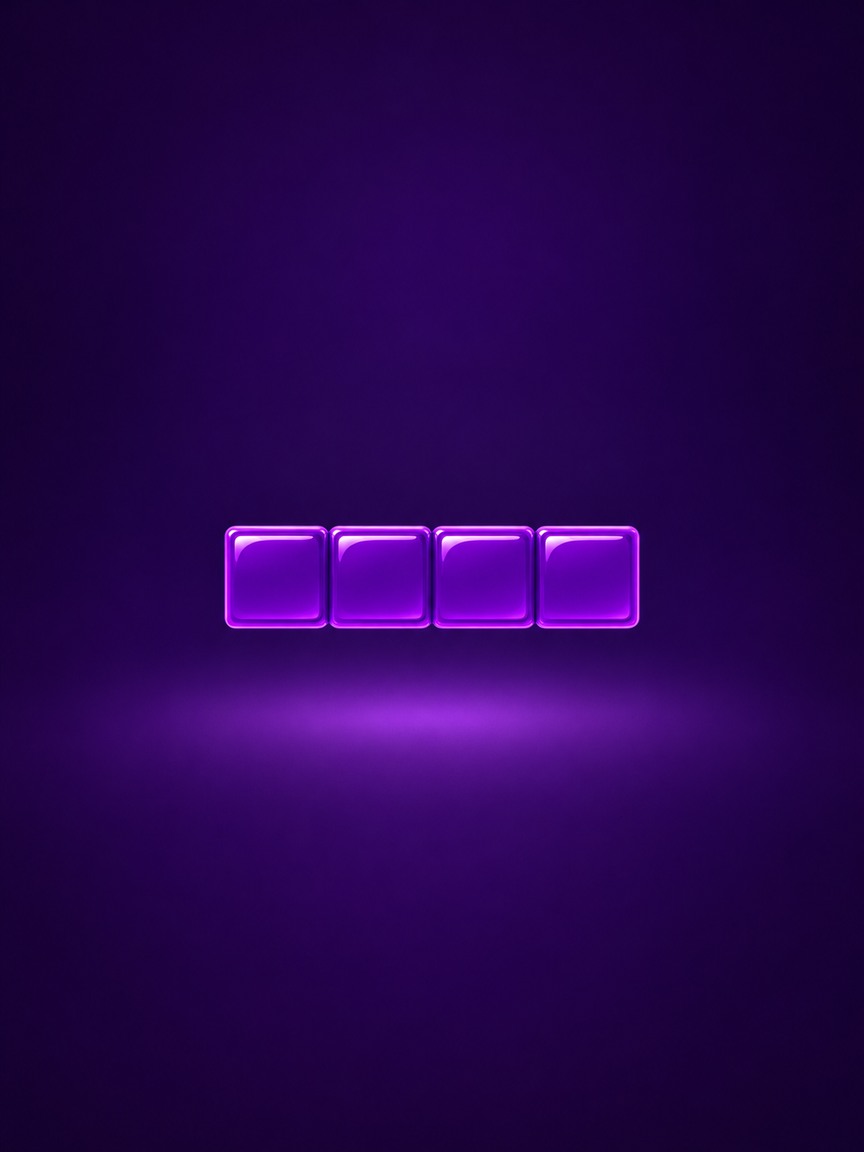
Purple straight block piece

The Straight Piece

Its narrow outline fits long gaps. Look for a clear stretch where it can sit alongside another shape. With a straight piece, the useful question is how far the free cells continue without a break. Look along the full line rather than checking just the space where you would start. If the near end fits but the far end is occupied, try a different stretch. An open line beside a flat edge is especially easy to check. Once the piece sits there, see whether it gives the next block another clear side to meet. A straight piece can give an irregular area a new boundary.

Yellow square block piece

The Square

Four blocks make a compact shape. Place it where the board has an open corner or an even patch that can hold it. A square gives you four equal sides to work with. A space can look broad enough at first glance and still have a cell missing just inside one corner. Check the patch across each row before you place the piece. Then look at the space it leaves beside it. A square can give a broken-looking area a tidy edge or help define a separate opening that is easier to understand. Compare both effects when the board has several places where it could go. The square is a useful reference when you are learning to judge space. If a patch is almost square, find the single cell or edge that makes it uneven.

Blue L-shaped block piece

The L Shape

A short arm and a longer edge help it fit around corners. Check which side of the gap has room for the arm. Start with the longest part of the outline, then find out which side has room for the arm. If the open cells run only along the long edge, look for a gap with more depth at the exact point where the short section turns. The shape is often useful beside a boundary that changes direction. Once you see a full match, trace the outside edge you would create to see whether it makes a good neighbour for another block.

Green step-shaped block piece

The Step Shape

Offset edges can fill uneven spaces. Look for a gap that changes width along its edge. Read a step shape one row at a time. Notice which row begins farther along and where the end of the outline changes direction. An uneven space that looks difficult for a square may offer a useful place for those offset edges. Check each part of the match so the piece has room along its full length. Unlike a compact block, a step shape uses an opening that shifts sideways between rows. Find the point where that shift happens and compare it with the turn of the piece.

How to choose a piece

When several blocks look like they might fit, look at what each one leaves on the board. Picture each move before choosing one. You might see one fit that makes the area beside it look tidy and another that preserves a longer strip farther along the board. Decide which difference matters for what you want to do next.

Match the outline

Compare the outside edges of the piece with the gap you want to fill. Start with the edge that is easiest to recognise, then check the part of the outline where a mistake would be easiest to make. That might be the end of a long piece or the point where a small arm extends into an opening.

Keep a useful space

An open stretch can help you fit a longer block later. Think before closing it off. The usefulness of a clear stretch often depends on what else is available. If another part of the board offers the same kind of opening, you have more freedom to use this one. If it is the only long line left, consider saving it for a piece that needs it.

Look around

If a piece seems awkward, another corner of the board may suit it better. Compare both areas before choosing. Look at both candidate spaces with the same questions in mind. Does the whole outline fit, what boundary will it create, and which other pieces might use the space afterwards? Comparing them in that order keeps the choice simple and helps you see the value of an option you might normally pass over.

Try these combinations

Straight and square

Use a straight edge beside a compact piece to keep the remaining space easy to read. Imagine a square beside the middle of a long piece, then imagine it nearer one end. The shared edge may be much the same, but the resulting outline can leave different openings. Look at how far each shape reaches before deciding which arrangement suits the layout.

Square and corner

A square can sit beside the short arm of an L shape and give the combination a fuller outline. The square can give the corner shape a clearer overall outline when it sits alongside one of its edges. Check whether their shared line would leave a neat opening beyond the join. If there is a notch in the layout, picture how the short part of the L can use it while the square occupies the even part. The connection can look different depending on which face of the square meets the angled piece. Picture the join before you look at the space farther away.

Corner and step

Compare how the edges line up where the board has a change in width. Take the two outlines in order. Find the main turn in the corner piece, then compare it with the step shape's row-by-row change. The pieces can be easier to place when you see exactly where their edges approach and how much space separates them.

Several shapes

Start with the most distinctive gap, then build around it with the shapes that fit naturally. Choose one gap with an outline that is easy to describe. Place the piece that suits that feature and look at the new boundary before thinking about a third shape. A larger combination can grow from a series of clear, compatible fits.

See how these ideas work together on the how-to-play page. Start with one example from the guide and apply it to a piece you recognise.

Explore what you can make

A familiar piece can look different beside a new one. Compare the shapes and see how many sensible placements you can spot. Look beyond the colour of a piece and follow the lines where it meets its neighbours. The same square can help form a neat outside corner in one arrangement and a longer flat edge in another. You get a different clue from each result. Try to recognise two possible groupings before choosing one, then see which matches the layout you are working on. That comparison is a small opportunity to be creative each time. If both groupings work, pay attention to what makes them feel different. In one arrangement you might see a familiar outline straight away. The other may look odd at first yet leave a simpler space to fill.

Ask about the game Read about Blockora