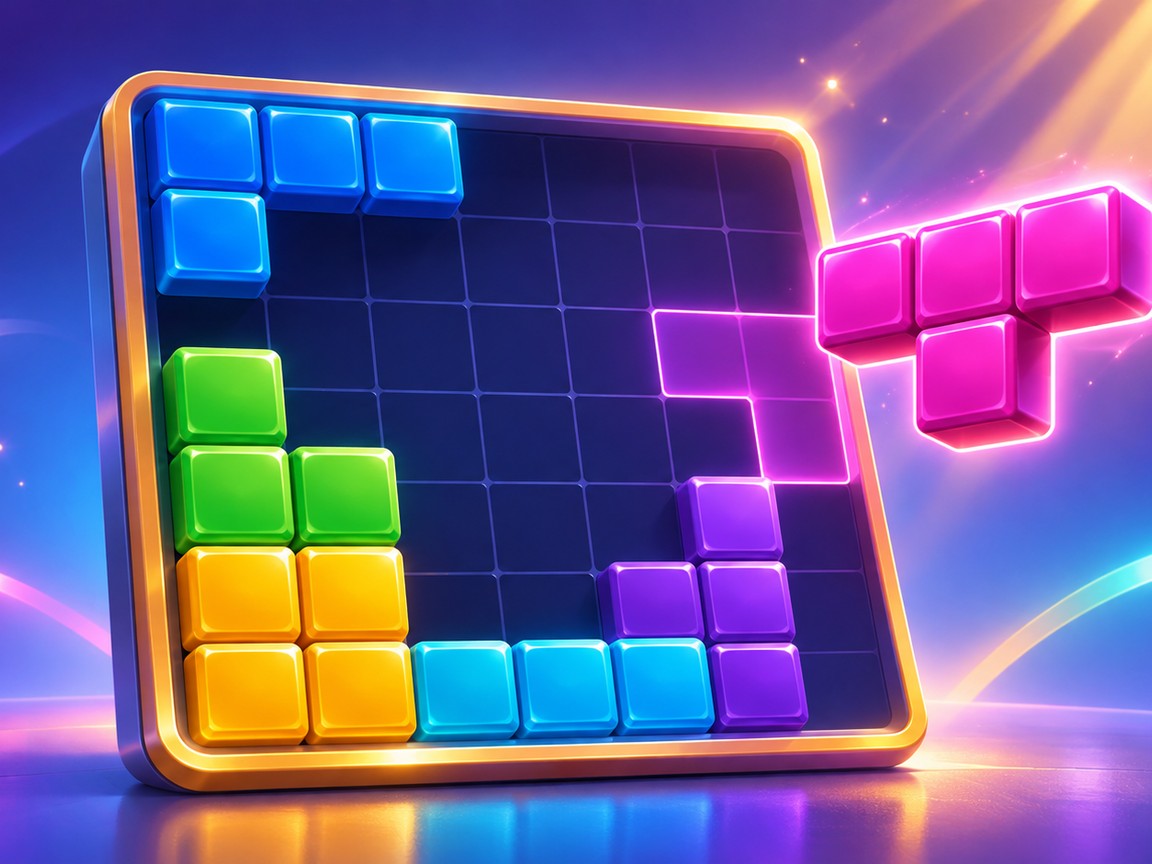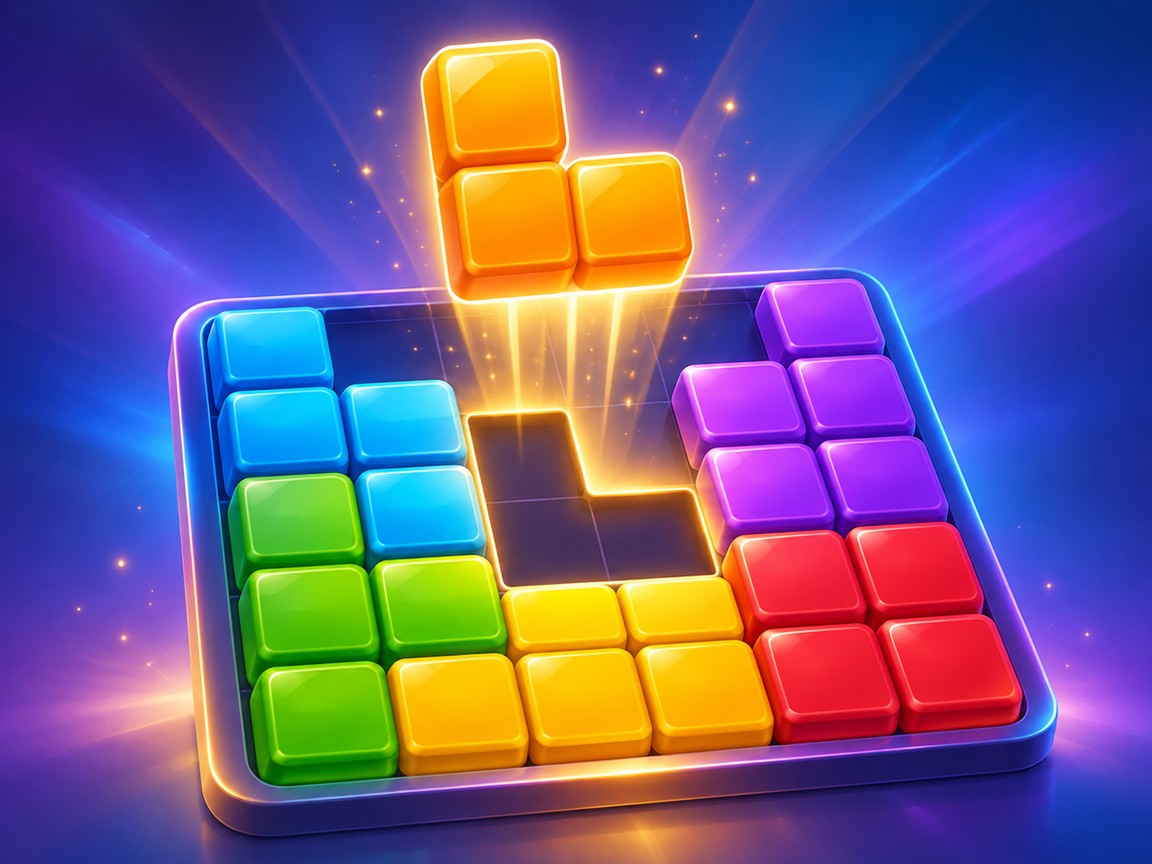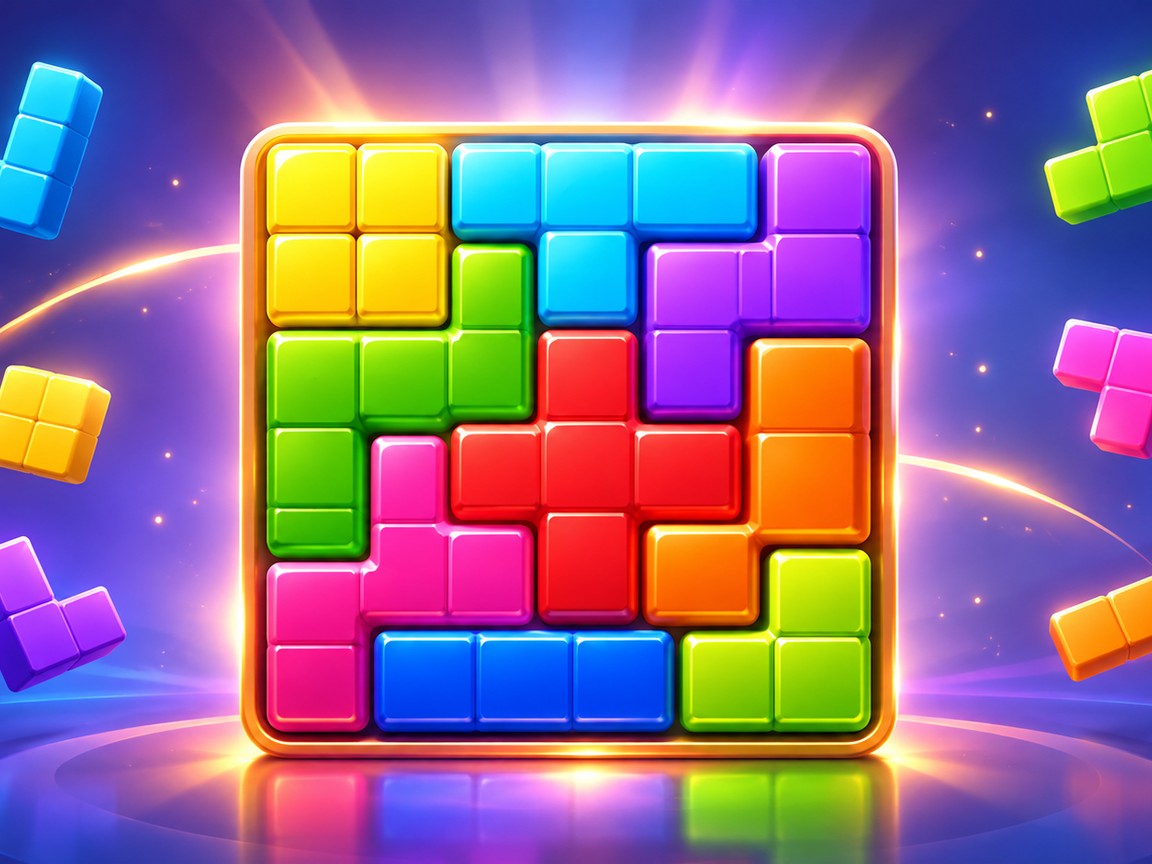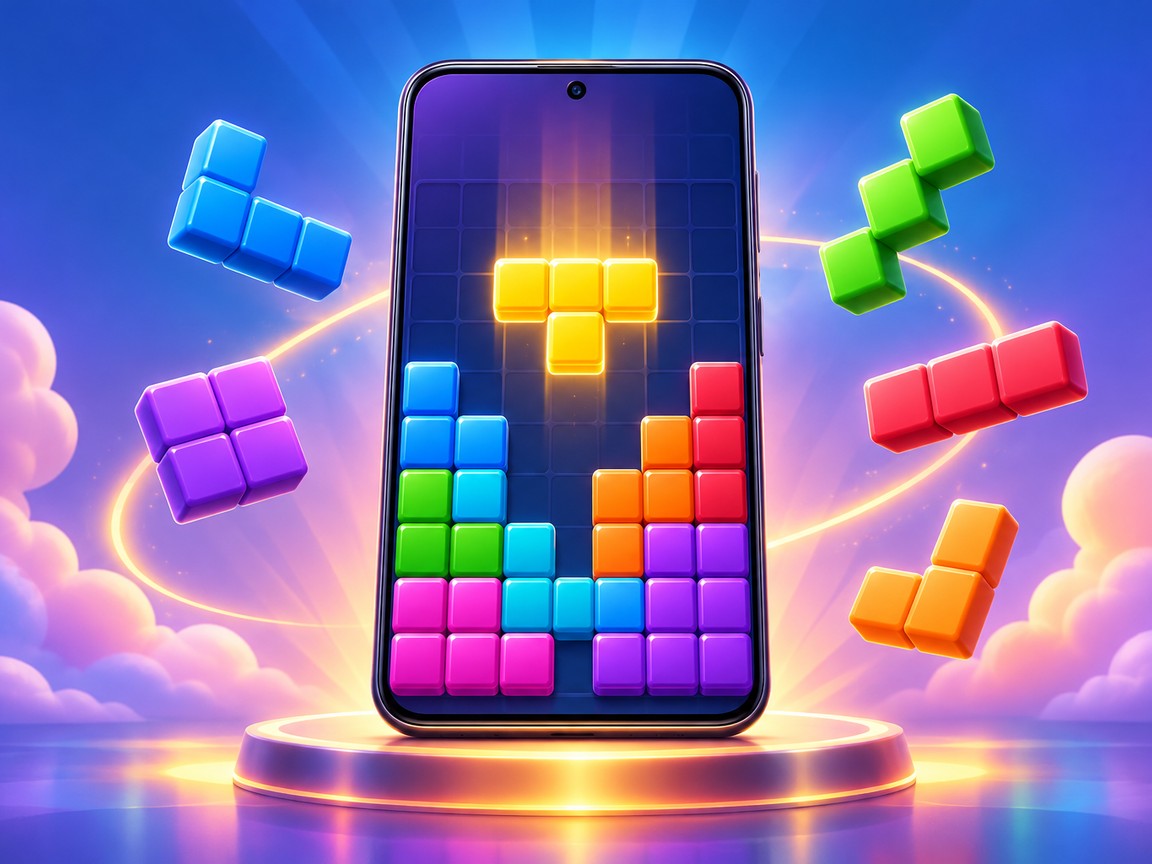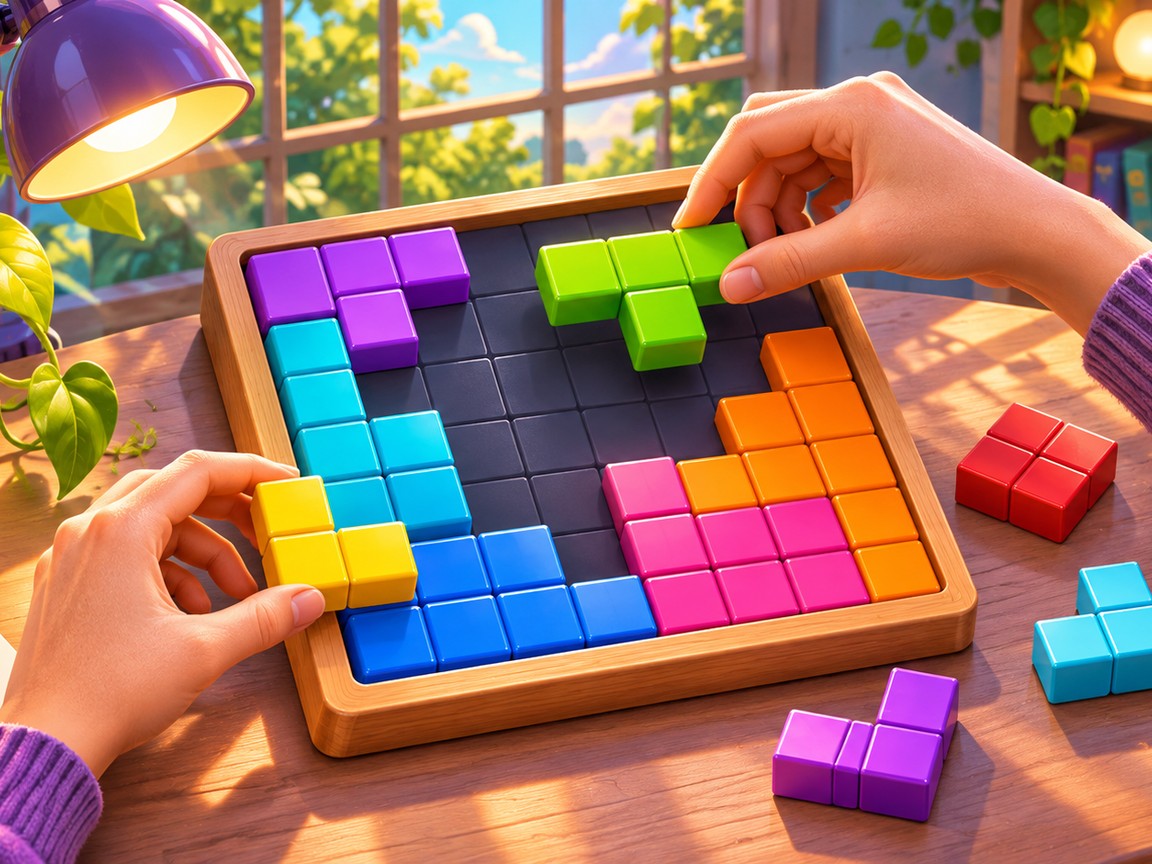
Place colourful blocks on the board, build shapes, and find combinations that fit. Blockora is an Android puzzle game where every level brings a fresh challenge and another chance to think creatively. Start with a shape, find a place for it, and see what changes on the board. The controls are simple, so you can focus on the puzzle from the first move.
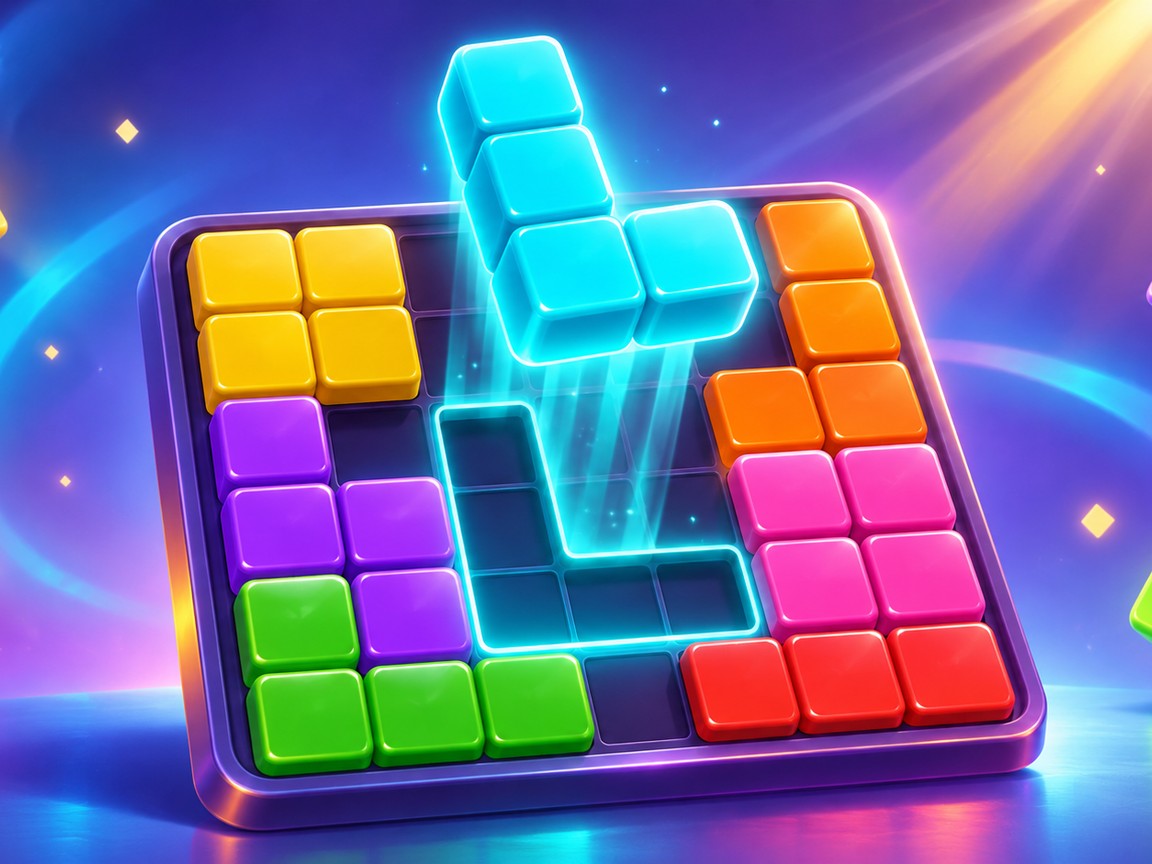
EXPLORE THE GAMELook at the open spaces on the board and choose a spot for your next block. Simple controls leave you free to focus on where the piece fits best. Start with the board rather than the piece. Notice where you have a wide patch, where rows are already partly occupied, and where an empty corner could hold an angled shape. Then look at the next block and mentally trace its outline over one of those spaces. A straight piece may fit along a clear edge, while a square needs room in both directions. Once you have a match, check every part of the outline. The placement is more useful when it fits cleanly and leaves you with a board you can still read at a glance. If an open area looks bigger than the piece, try lining the piece up with one side first. The exact position can determine whether you keep a clear strip or leave several shallow gaps. Notice whether the next opening has a shape you can name. That detail often matters more than how much empty space you can see in total.
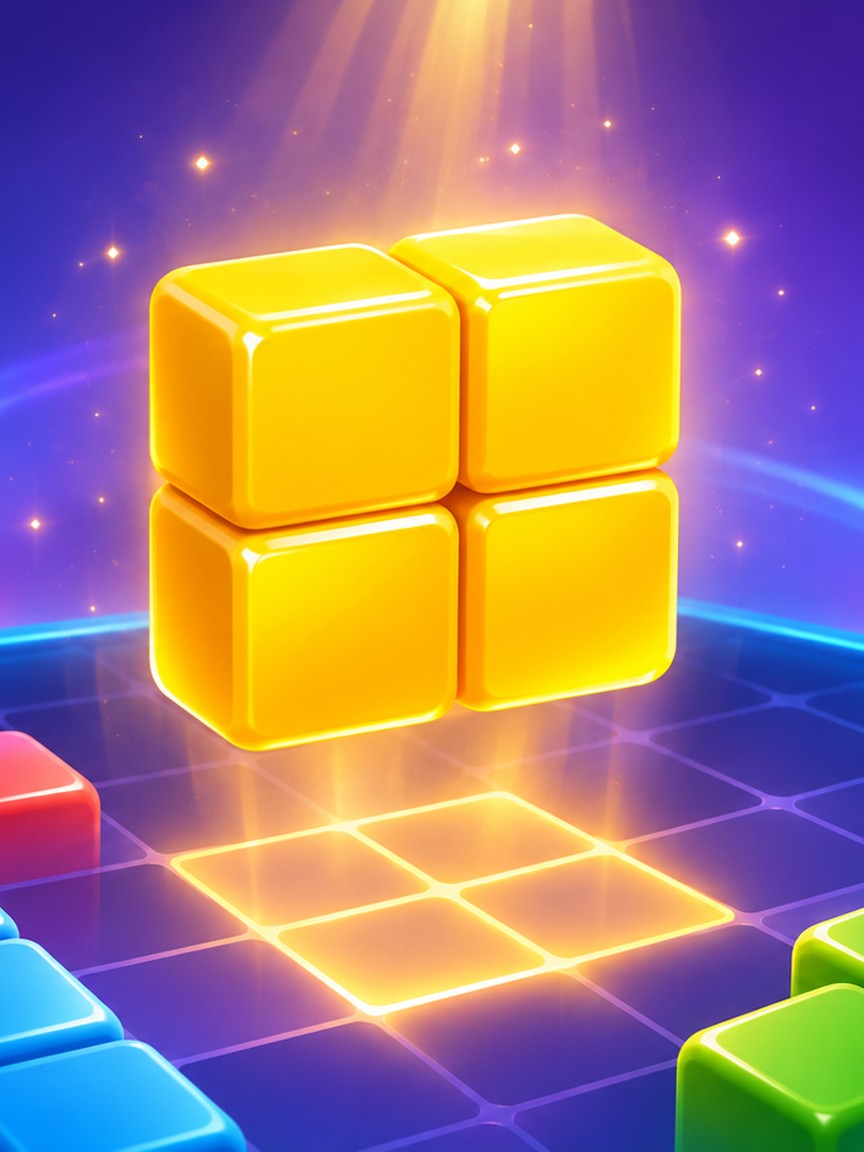
Bring blocks together to form different shapes. A piece that looks awkward on its own can be just what a larger combination needs. Explore the game. A combination begins with the edge two pieces share. Look for a long, flat side where another shape can sit without leaving a thin break. If one piece has a short arm, see whether a compact block can sit beside it without closing the only clear opening. Compare the overall shape from the top and then from the side. Sometimes two pieces that look quite different on their own create a surprisingly simple outline together. The moment that outline clicks into place is what makes even a small puzzle feel rewarding. Imagine a square placed beside the short end of an angled block. Their shared edge could make the outside line easier to follow. If the same square sits on the other side, the pair might create an open corner you could use for another move.
Think ahead as new challenges get more complex. The fun is in spotting a promising fit, testing an idea, and seeing the whole puzzle come together. When you see more than one reasonable placement, give yourself time to compare them. Imagine the first arrangement and notice what empty area remains. Then imagine the other and ask whether it leaves you a more useful opening. With practice, you may start to recognise which spaces are easy to fill and which depend on a very specific piece. A harder level brings several of these little decisions together. Start with the one you can explain with confidence, see what it reveals, and work from there. Solving one useful part at a time can make a crowded board feel manageable. When a promising move turns out to leave an awkward space, use that observation to narrow your search. Check a different side of the board and see if it gives the same piece a more useful neighbour.
Blockora starts with a simple idea: colourful blocks can fit together in surprising ways. Every placement changes the board, so even a familiar piece can give you a new opportunity to plan ahead, spot a pattern, or make a shape you had not considered. The idea behind Blockora is easy to see in a small example. Imagine two open corners on opposite sides of the field. The same block might fit both, yet one placement gives the pieces a clean edge while the other leaves a gap with a difficult outline. Looking at that difference is the heart of the game. Colour helps you keep track of the arrangement as it grows. Shape gives you the clues you need to decide what belongs where. It can be satisfying to start with simple placements, look back at the result, and realise how many decisions went into making a single figure. Later levels offer an opportunity to carry those ideas into less obvious layouts, and a chance to discover a route you might have missed on your first look. That balance between clear rules and creative choices is what makes the puzzles interesting.
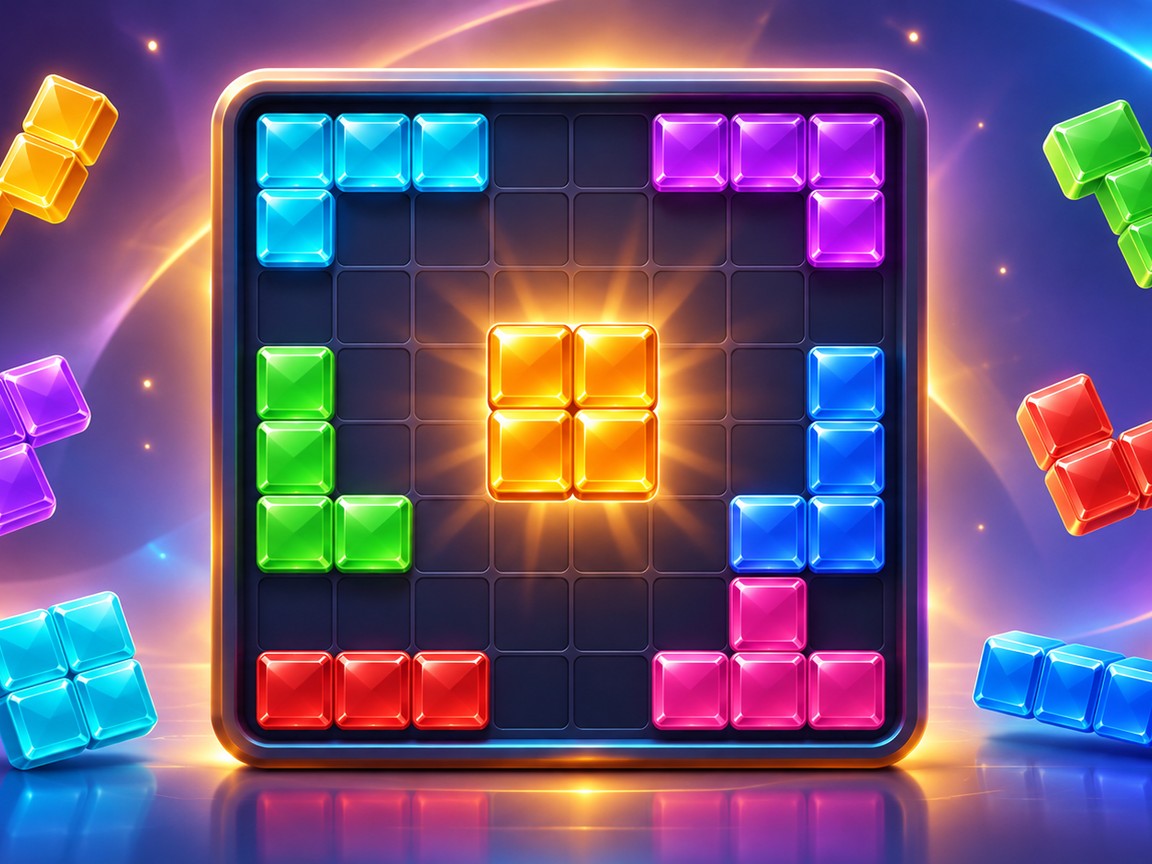
Bright colors help each piece stand out. Take a moment to study the spaces, then see how a small change in placement can open up a much better combination. Discover Blockora. Try looking first at the pieces in a colour group, then at the whole pattern they form on the field. When each outline is easy to follow, you can see the effect of a placement more quickly. Some decisions are about using a compact space efficiently. Others are about preserving a larger opening so you have more ways to continue. A helpful trick is to pick one empty area and describe it in plain words, such as a long strip beside a square opening. That description makes it easier to recognise the piece that belongs there.